The method, one guide at a time
Guides to systematic reviews, PRISMA reporting and AI-assisted screening. No hype. Subscribe via RSS →
What is a systematic review?
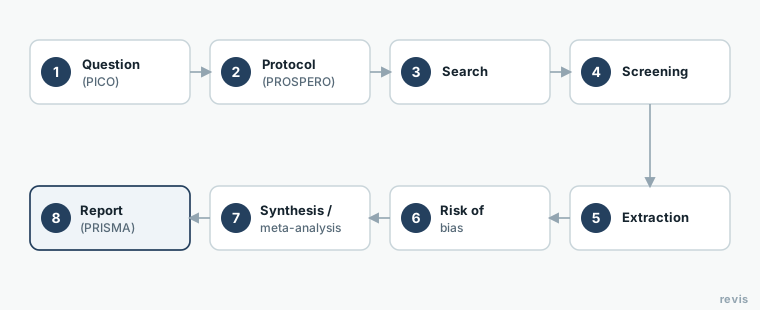
Stages, the PRISMA method, the PICO question and tools. The central guide of the blog, linking each stage of the method to its own detailed guide.
· 14 min read
Fundamentals
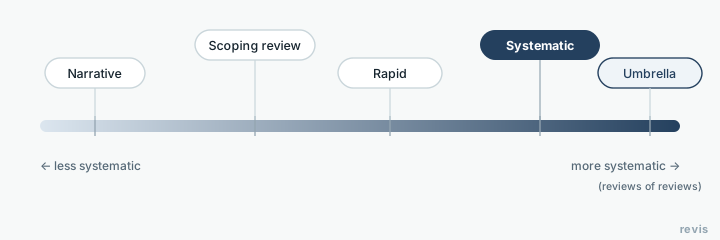
Types of literature review: systematic, narrative, scoping and umbrella
Systematic, narrative, scoping and umbrella. When to use each format and how they differ.
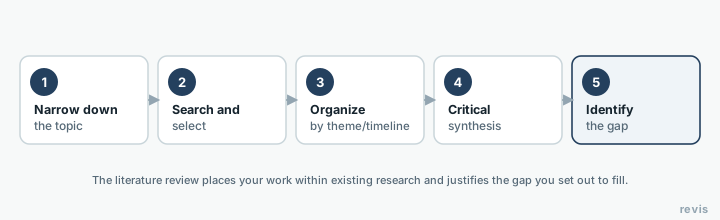
Dissertation literature review: how to write it (and when to make it systematic)
Structure, examples and mistakes to avoid in your final-year project.
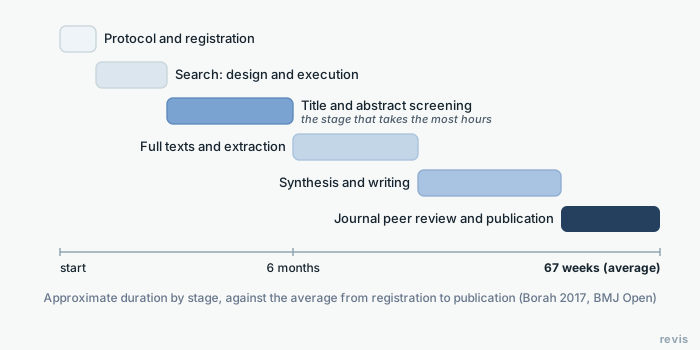
How long does a systematic review take?
Over a year on average, according to the studies. The stage-by-stage breakdown and where you can save time without losing rigor.
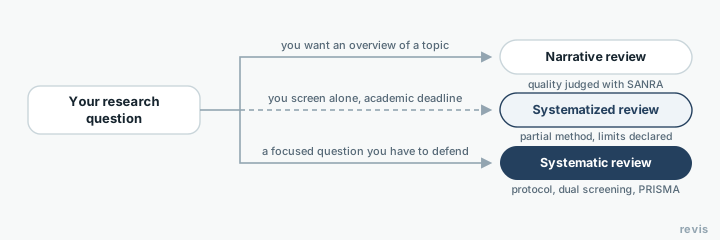
Narrative review vs systematic review: which one to choose
It is not rigor versus laziness. They are two different tools. The real differences, one by one, and an honest guide to choosing.
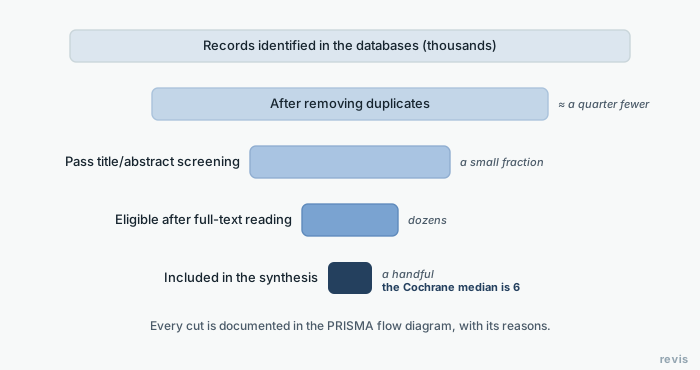
How many studies does a systematic review need? There is no minimum
There is no minimum number. The typical Cochrane review includes 6 trials, and some include none. What sets the number and what to do at either extreme.
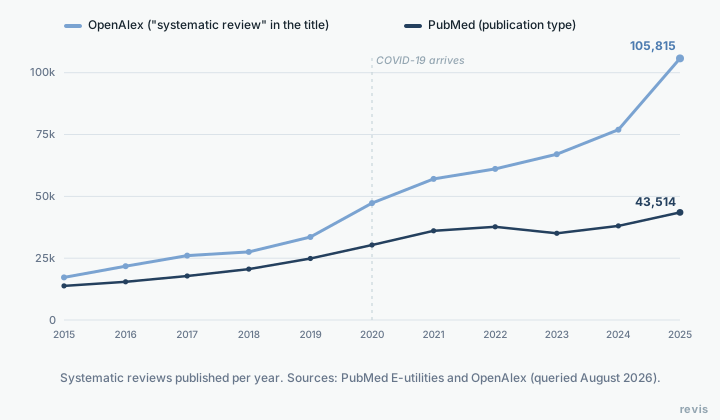
How many systematic reviews are published each year?
Over 100,000 in 2025 and six times more than a decade ago. The real pace of publication, with data from PubMed and OpenAlex.
Method
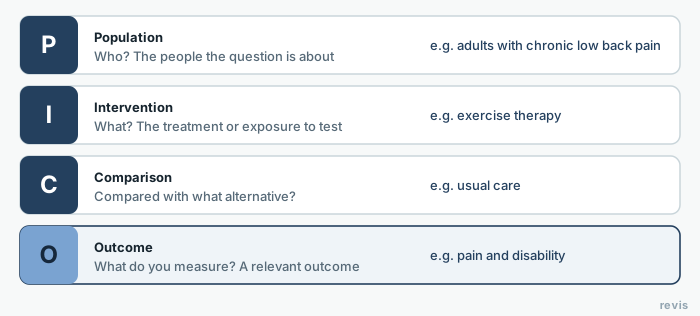
How to write a PICO question, with examples
How to write an intervention question and avoid the most common eligibility and search mistakes.
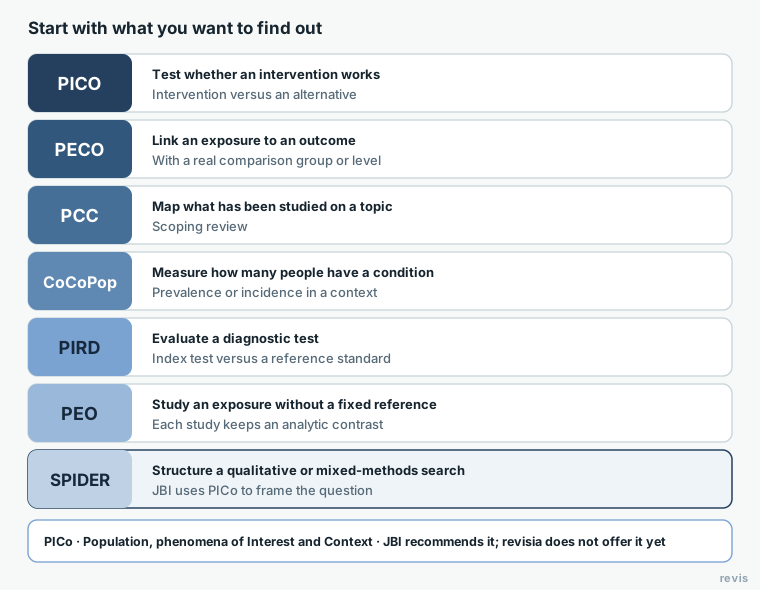
Research question frameworks: PICO, PECO, PCC, CoCoPop, PIRD, PEO or SPIDER?
An honest guide to the seven frameworks available in revisia and the cases where you need a different structure.
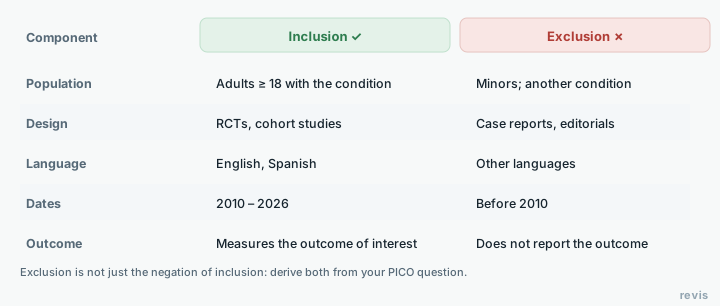
Inclusion and exclusion criteria: how to define them
How to derive them from PICO, with practical examples and mistakes to avoid.
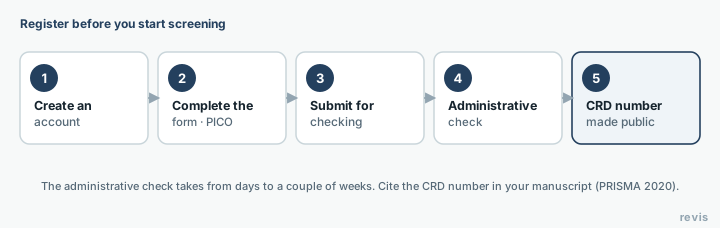
PROSPERO registration: what it is and how to register your protocol
Requirements, form fields, timelines and other places to register.
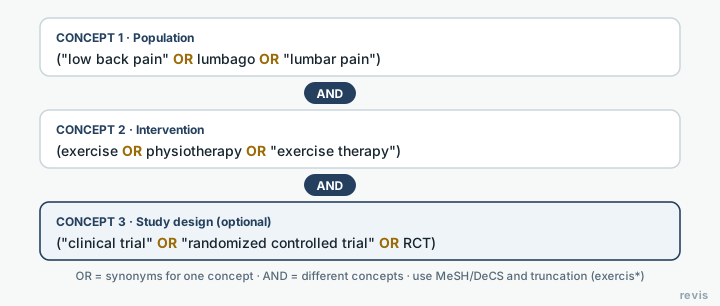
Literature search strategy: Boolean operators, MeSH terms and truncation
Boolean operators (AND, OR, NOT), MeSH and DeCS terms, with examples.
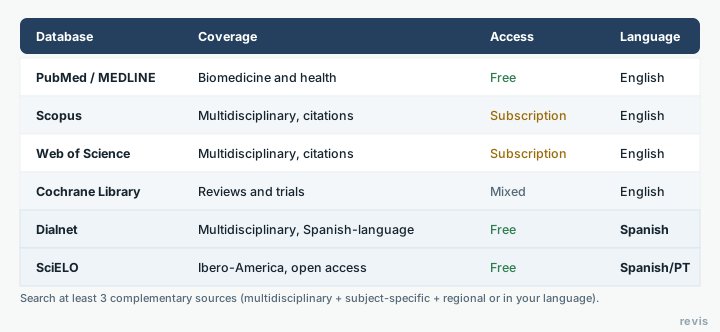
The best databases for systematic reviews
PubMed, Scopus, Web of Science, Cochrane, Dialnet and SciELO compared.
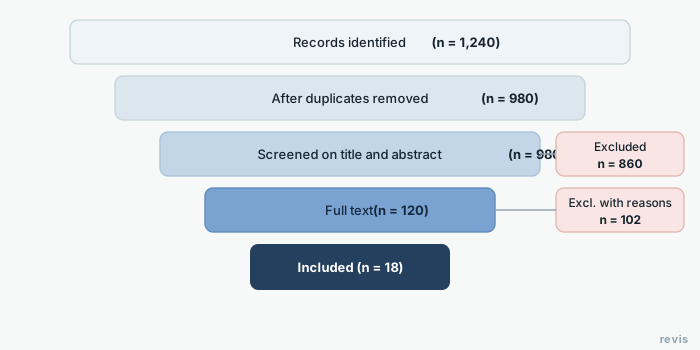
Rayyan vs Covidence in 2026: which screening tool to choose
Selection by title, abstract and full text, with two independent reviewers.
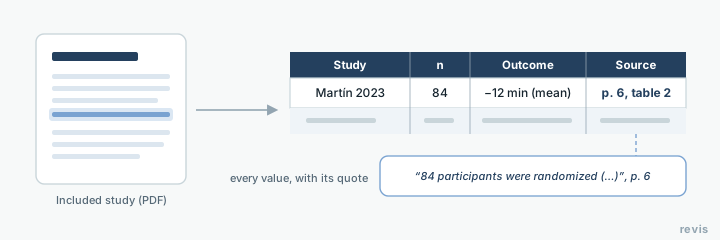
Data extraction in a systematic review: table, process and common errors
The quiet stage that decides whether your conclusions rest on faithful data. Which fields go in the table, how to pilot it and the errors you pay for in the synthesis.
Analysis
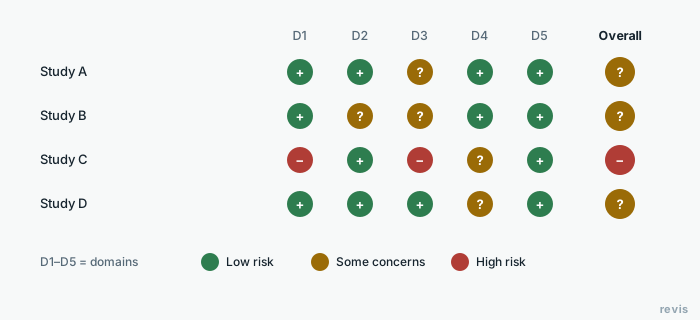
Risk of bias assessment: the Cochrane risk of bias tool (RoB 2), ROBINS-I, AMSTAR 2 and Newcastle-Ottawa
RoB 2, ROBINS-I, AMSTAR 2 and Newcastle-Ottawa. Which one to use for each study design.
What is a meta-analysis? How it is done and how to read one
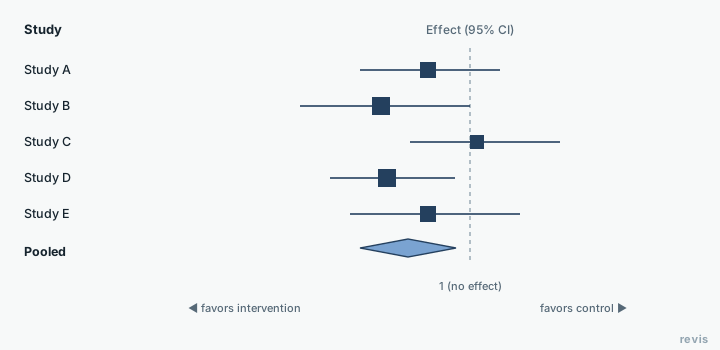
Forest plots, heterogeneity (I²), funnel plots and effect sizes, explained.
Tools and reporting
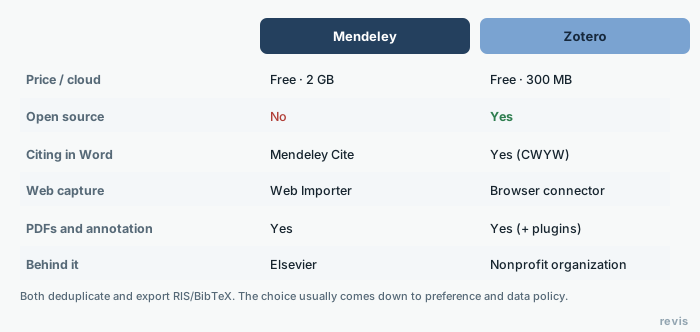
Zotero vs Mendeley: which reference manager to choose
Features, Word plugin and storage compared, so you can pick a reference manager.
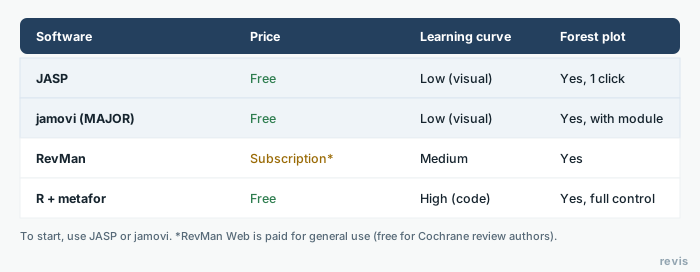
Meta-analysis software: JASP, jamovi, RevMan and R
JASP, jamovi, RevMan and the R package metafor, with a getting-started guide.
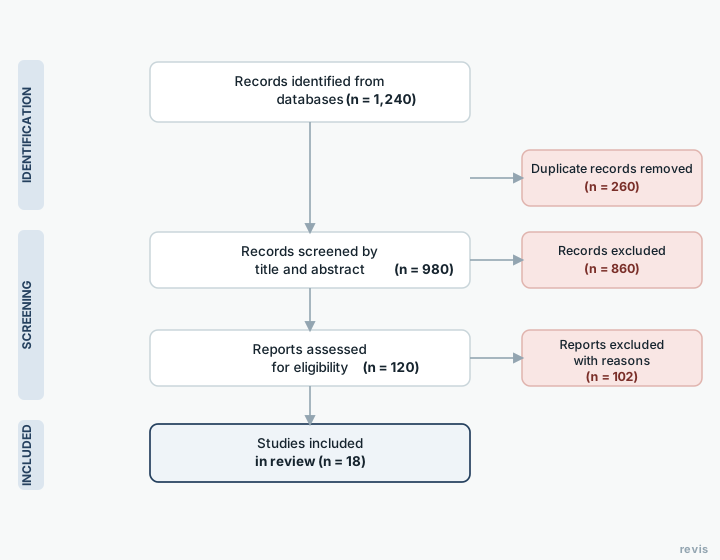
PRISMA 2020 flow diagram: free generator, template and guide
Make your PRISMA 2020 diagram for free with no account, or download the editable Word template.
Reading Spanish? The Spanish blog has every guide, including the ones not yet translated.